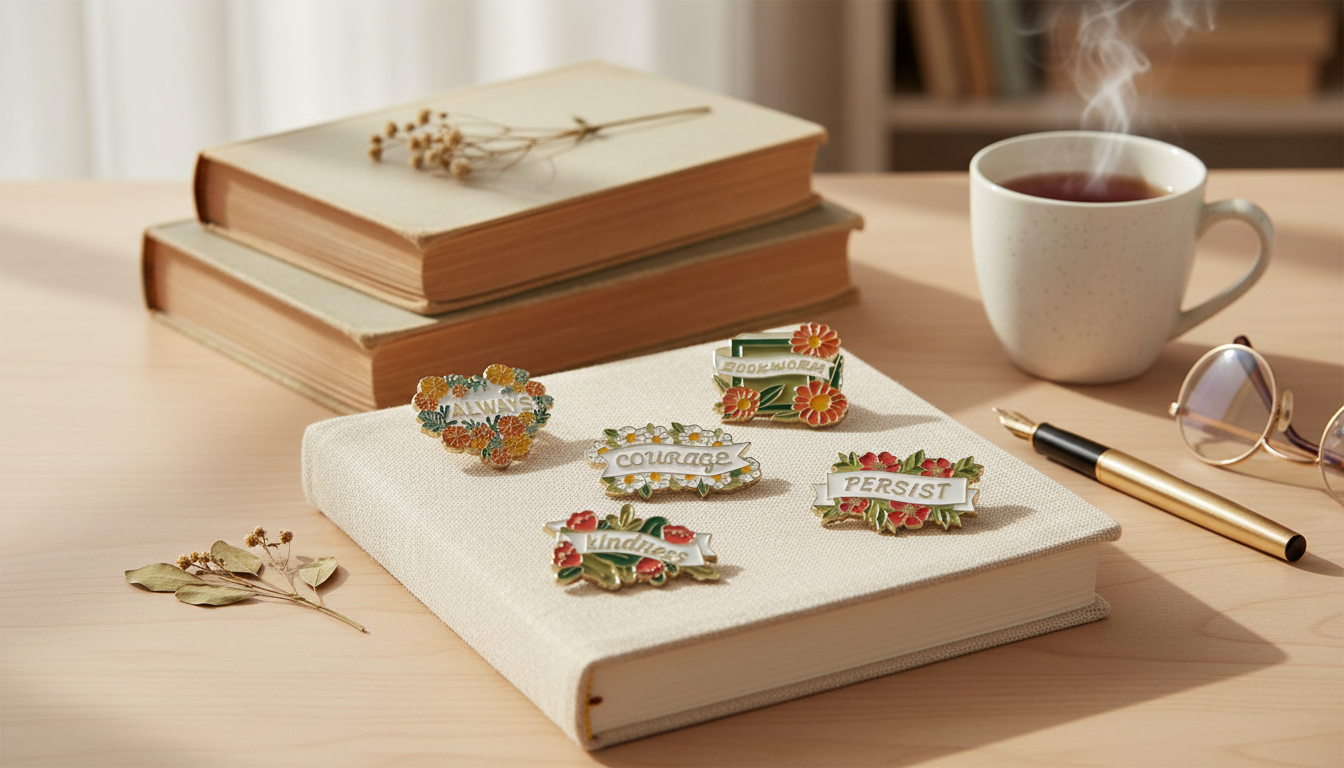
The “most expensive enamel pin” usually isn’t a regular retail release—it’s almost always a one-of-one or ultra-limited piece that combines enamel with fine-jewelry materials. In practical terms, the priciest enamel pins tend to be custom-made or auction-sold pins featuring solid gold or platinum bases, hand-applied hard enamel (often multiple kiln firings), and genuine gemstones (diamonds, sapphires, or rubies). Those factors can push a pin from a $10–$30 accessory into the thousands of dollars.
Unlike mass-produced soft enamel pins, high-end hard enamel pins require more labor, stricter tolerances, and more finishing (polishing, plating, and stone setting). When a pin is also tied to a well-known artist, luxury house, charity auction, or a historically notable run, collectors may pay a premium that has less to do with manufacturing cost and more to do with rarity and provenance.
The top tier generally falls into three buckets: (1) fine-jewelry pins that use enamel as an art medium alongside precious metals and gemstones, (2) vintage or designer pieces with documented authenticity, and (3) extremely scarce collector releases with verified production counts and strong demand. A pin in the last category can sell for far more than its materials would suggest if the collector community treats it as a “grail” item.
Look for concrete proof: hallmarking or metal purity marks, details about the enamel type (hard vs. soft), a clear edition size, and reliable provenance (purchase receipts, COAs, or auction records). Condition also matters—chips, scratches, or replaced posts can dramatically change value.
For a deeper breakdown of what drives pricing at the very top end—materials, rarity, and how collectors evaluate “expensive” pins—see the full guide here: https://lumiro.store/what-is-the-most-expensive-enamel-pin/.
Hard enamel feels smooth and level because the enamel is filled and polished flush with the metal lines. Soft enamel has recessed color areas you can feel with your fingertip, with raised metal borders around each section.





Leave a comment